
Can a Pergola Withstand Florida Hurricanes? (Honest Answer)
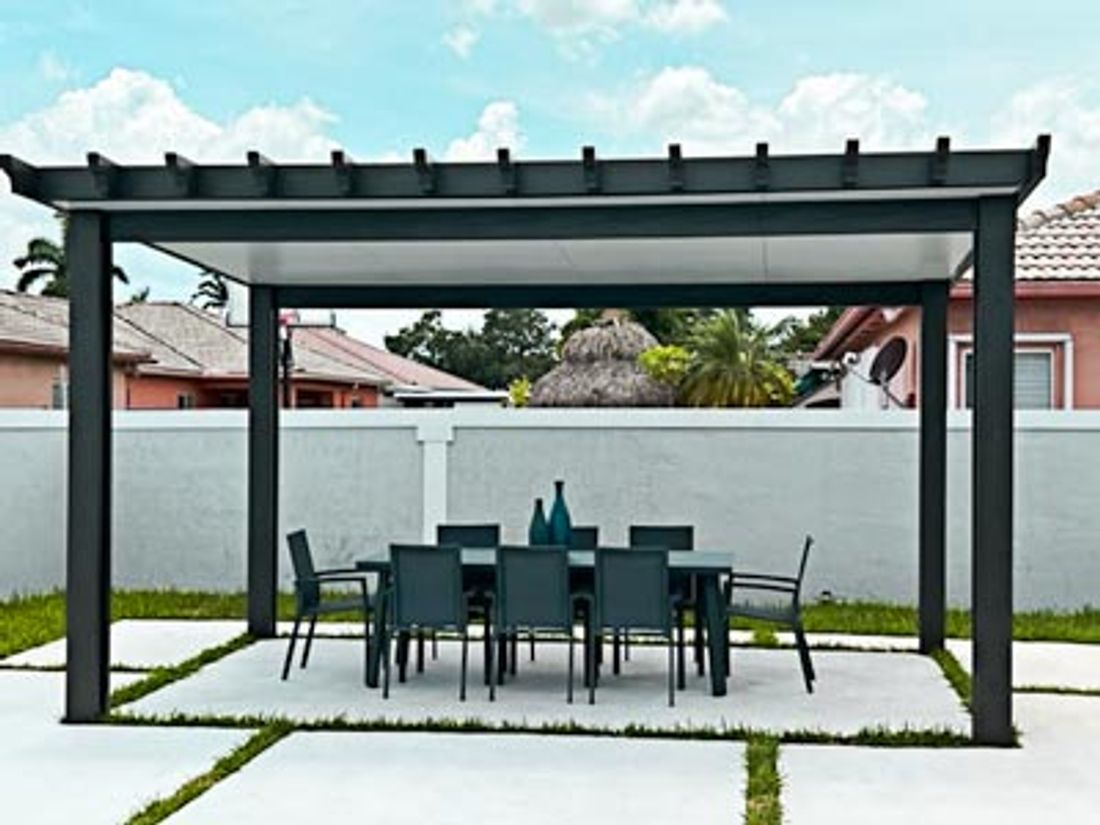
Florida homeowners want the truth: can a pergola survive a hurricane? Here's an honest, expert answer about wind loads, engineering, permits, and what actually decides how a structure performs.
Can a Pergola Withstand a Hurricane in Florida? The Honest Answer.
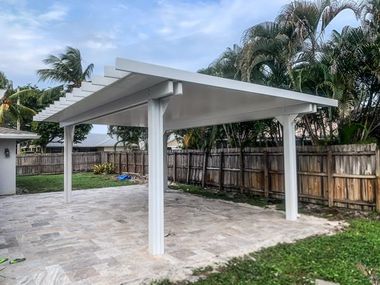
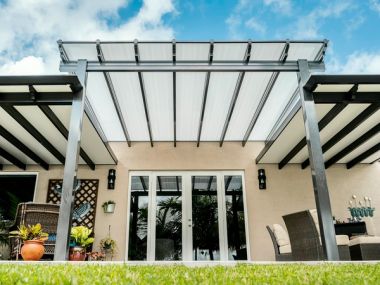
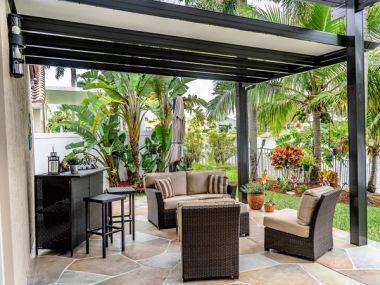
Yes — a properly engineered aluminum pergola can withstand hurricane-season winds in Florida when it is designed to the Florida Building Code and, in Miami-Dade County, to HVHZ wind load requirements, then permitted and inspected. No structure is hurricane-proof, but engineering, anchoring, and code compliance decide how a pergola performs when storms arrive.
The short answer: a professionally designed, engineered, permitted, and installed aluminum pergola in South Florida can withstand significant wind events — including many tropical storms and Category 1 hurricanes — when built to the correct specifications. A cheap, unpermitted, or improperly installed structure cannot.
The difference between those two outcomes comes down entirely to whether your pergola was designed and built to meet Florida's building codes — specifically Miami-Dade County's wind load requirements, which are among the strictest in the country.
Understanding Florida's Wind Load Requirements for Outdoor Structures
After Hurricane Andrew devastated South Florida in 1992, Florida completely overhauled its building codes. Today, the Florida Building Code — and particularly Miami-Dade County's standards — requires that all permanent structures be engineered to withstand specific wind speeds depending on the location.
Miami-Dade County enforces the High-Velocity Hurricane Zone provisions — the most demanding wind engineering standards in Florida. This means that a properly permitted pergola in Miami-Dade must be structurally engineered and built using materials with a Florida Product Approval (FPA) or Miami-Dade Notice of Acceptance (NOA) to demonstrate they meet these standards.
Key requirements for a code-compliant pergola in South Florida include (our Miami-Dade HVHZ wind load guide goes deeper):
- Structural-grade aluminum framing with tested load-bearing capacity
- Engineered footings — the posts must be set in properly sized concrete footings that anchor the structure to the ground
- Miami-Dade NOA materials — aluminum components must have documented product approval for use in high-velocity hurricane zones
- Signed and sealed engineering drawingsPrepared by a Florida- structural engineer
- Building permit and inspection — the structure must pass official inspection to verify code compliance
Why Unpermitted Pergolas Are a Serious Risk
Here's where we have to be direct: if a contractor installs your pergola without pulling a building permit, your structure has almost certainly not been engineered to meet Florida's wind load standards. This means:
- The structure may fail in a storm, causing property damage or injury
- Your homeowner's insurance may not cover damage to or caused by an unpermitted structure
- You will face permitting issues when you sell your home — unpermitted structures must be either retroactively permitted (expensive and complicated) or demolished
- You may be subject to county fines for unpermitted construction
Working with an experienced contractor who pulls a permit for your pergola isn't just a bureaucratic formality. It's the mechanism by which your structure gets independently verified as safe and compliant.
What Makes an Aluminum Pergola More Hurricane-Resistant Than Wood
Material choice matters enormously in Florida's hurricane environment. Here's why aluminum outperforms wood for hurricane resistance:
- Aluminum doesn't degrade: Wood can develop rot, insect damage, and splitting over time — all of which weaken the structure's ability to handle wind loads. Aluminum maintains its structural integrity throughout its lifespan.
- Aluminum can be precisely engineered: The structural properties of aluminum are predictable and consistent, making it easier for engineers to certify specific products to specific wind load ratings.
- Aluminum is lighter: A lighter structure creates less drag in high winds and places less stress on footings and anchors.
- Powder coat protects against corrosion: Even in South Florida's salt air environment, powder-coated aluminum maintains its structural integrity without the corrosion that can weaken steel fasteners and connectors in wood structures.
How to Evaluate a Contractor's Hurricane Claims
When a contractor tells you their pergola is "hurricane proof" or "hurricane resistant," here's what to ask:
- Do your materials have Miami-Dade NOA or Florida Product Approval documentation?
- Will you pull a building permit for this project?
- Will the structure be designed by an experienced structural engineer?
- What are the engineered wind load ratings for the specific products you're installing?
Any reputable contractor in South Florida will answer all of these questions clearly and affirmatively. If a contractor is vague, discourages you from pulling a permit, or can't provide product approval documentation, that's a significant red flag.
How AB Aluminum & Screens Builds for South Florida's Hurricane Conditions
At AB Aluminum & Screens, every aluminum pergola we install in South Florida, along with each screen enclosure and outdoor structure, is built to meet South Florida's building code requirements. That means:
- We use structural aluminum products with Miami-Dade product approvals
- We pull building permits for every project in Miami-Dade, Broward, and Palm Beach
- Our installations are designed with engineered structural drawings
- Every project passes official building department inspection before we consider it complete
- Our 15+ years of experience means we know exactly what Miami-Dade, Broward, and Palm Beach building departments require — and we build to exceed those standards
Frequently Asked Questions About Pergolas and Hurricanes in Florida
Should I take any precautions before a hurricane if I have a pergola?
Yes. Even a properly engineered and permitted pergola benefits from pre-hurricane preparation. Remove any loose accessories, furniture, planters, or decorative items from the structure and surrounding area. Retract any motorized screens or awnings. For motorized louvered roof systems, close the louvers. The structure itself is designed to handle the wind — but loose items around it can become projectiles.
What wind speed should my South Florida pergola be designed for?
This depends on your specific location within South Florida. Miami-Dade County sits in the High-Velocity Hurricane Zone, with the most demanding design pressures in the state, and Broward requirements vary by zone. Your contractor should confirm the design wind speed for your specific address.
Can I get homeowner's insurance coverage for a permitted pergola?
A properly permitted pergola is typically eligible for coverage under your homeowner's insurance as a permanent structure. Coverage specifics vary by policy — consult your insurance provider for details about your specific coverage. Keep your permit records on hand — insurers often ask for them when adding a new structure.
Can a pergola survive any hurricane in Florida?
No structure is “hurricane proof.” A pergola engineered to the Florida Building Code and, in Miami-Dade, to HVHZ wind loads is built for the design pressures of its location, but extreme storms can exceed any design limit. A permitted aluminum pergola simply performs far better than an unpermitted one.
Build Once. Build Right. Build Permitted.
Your pergola should be an asset to your home for 20+ years — not a liability when the next storm season arrives — 2026's included. Build it right the first time with contractors who pull permits, use code-compliant materials, and stand behind every project they install.
Request A Free Quote and we'll render your South Florida aluminum pergola in 3D, confirm the wind load engineering for your address, and quote real numbers — before we cut a single piece of aluminum.
📞 Call us in English: (786) 383-6066 📞 Llámenos en español: (786) 340-5157
Serving Miami, Coral Gables, Doral, Weston, Pembroke Pines, Fort Lauderdale, Parkland, and 30+ cities across South Florida.