

Prepare Your Screen Enclosure for Hurricane Season in South Florida
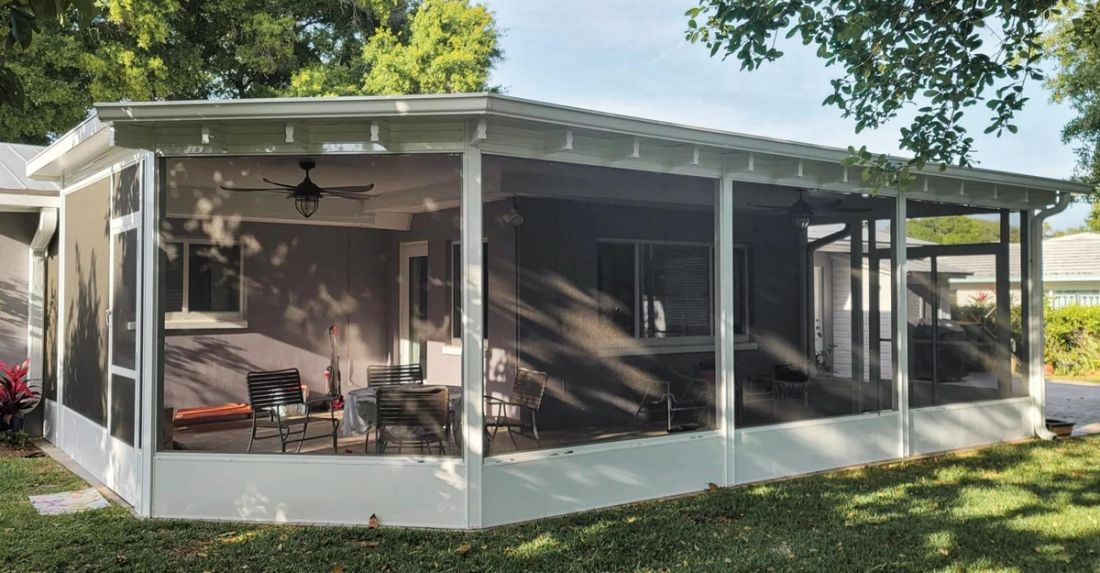
Hurricane season starts June 1. Is your screen enclosure ready? This annual checklist covers everything South Florida homeowners need to do before the season to protect their investment.
To prepare your screen enclosure for hurricane season in South Florida, inspect the aluminum frame, screen panels, and doors before June 1, replace any torn screens, secure or remove loose items, and have an experienced contractor repair structural damage. No screen enclosure is hurricane-proof, but a well-maintained, code-compliant structure handles routine storm-season winds far better than a neglected one.
Is Your Screen Enclosure Ready for Hurricane Season?
In South Florida, June 1st isn't just a date on the calendar — it's the official start of the 2026 hurricane season, and it arrives fast. If you have a pool screen enclosure or patio screen room, now is the time to assess its condition, make any necessary repairs, and take the steps that could mean the difference between a structure that weathers the season and one that doesn't.
At AB Aluminum & Screens, we've been installing and repairing screen enclosures across Miami-Dade, Broward, and Palm Beach for 15+ years. We see the same pattern every year: homeowners who prepared their enclosures in April and May sail through storm season without incident. Those who didn't often face costly repairs in the aftermath. This guide is designed to help you be in the first group.
When Is Hurricane Season in South Florida?
The Atlantic hurricane season officially runs from June 1 through November 30, with peak activity typically occurring between mid-August and mid-October. South Florida — including Miami-Dade, Broward, and Palm Beach counties — sits directly in the path of many Atlantic and Caribbean storms due to its geographic position.
Beyond named hurricanes, South Florida also experiences frequent tropical storms and severe thunderstorm events with wind gusts that can damage weakened or aging screen enclosure components. Preparation isn't just about Category 3+ storms — it's about ensuring your structure can handle the routine wind events of a typical South Florida summer.
Pre-Hurricane Season Inspection Checklist
Work through these six steps each May, before the season peaks:
- Inspect every aluminum frame member for bends, corrosion, and loose fasteners.
- Inspect all screen panels for tears, ballooning, and failing spline.
- Check that every door opens, closes, and latches securely.
- Inspect roof panels and the connections where the enclosure meets the house.
- Remove or secure loose furniture, plants, and pool items.
- Book an experienced contractor for any structural repairs before June.
Complete this inspection before June 1st each year. If you find issues, address them before the season starts — not during it.
✅ Inspect the Aluminum Frame
Walk the perimeter of your screen enclosure and visually inspect all aluminum frame members — posts, beams, rafters, and base track. Look for:
- Visible bends, dents, or deformation in structural members
- Corrosion or white oxidation on aluminum surfaces (indicates UV degradation of the powder coat)
- Loose or missing fasteners at connection points
- Separations between frame members at joints or corners
- Damage at the base track where the frame meets the concrete deck
Any structural damage to the frame should be evaluated and repaired by an experienced contractor before hurricane season. A frame that has been weakened by a previous storm or general aging is significantly more vulnerable to wind damage.
✅ Inspect the Screen Material
Carefully inspect all screen panels for:
- Tears, holes, or large punctures in the screen mesh
- Screen material that has pulled away from the frame or spline
- Ballooning or bulging screens (indicates the spline is failing)
- Discoloration or brittleness in the screen material (UV degradation over time)
- Insect damage or corrosion at screen attachment points
Damaged screen panels should be replaced before hurricane season. A torn screen provides no wind resistance and can allow wind to enter the enclosure, potentially creating internal pressure that damages the frame from the inside out.
✅ Check All Doors and Latches
Every door on your screen enclosure should:
- Open and close smoothly without binding or dragging
- Latch securely — a door that won't latch properly can be forced open by wind
- Have functioning door closers (the pneumatic mechanism that pulls the door shut)
- Have all hinges tight and properly aligned
A door that blows open in a wind event can dramatically increase the structural stress on the enclosure frame. Secure, functioning doors are critical for storm performance.
✅ Inspect the Roof Screen and Ridge
The roof panels of your screen enclosure take the most direct impact from wind and rain. Inspect:
- All roof screen panels for tears, holes, or separation from the frame
- The ridge line and hip connections for any separation or movement
- Any flashing or sealants where the enclosure attaches to the house (for attached enclosures)
✅ Clear the Surrounding Area
Before any major weather event, remove all loose items from around and inside your screen enclosure:
- Outdoor furniture, cushions, and umbrellas
- Potted plants and decorations
- Pool toys and equipment
- Any items stored inside or adjacent to the enclosure
Loose projectiles inside a screen enclosure during a storm can damage screen panels and even structural components from the inside.
What Wind Rating Should Your Screen Enclosure Have?
All permitted screen enclosures installed in Miami-Dade County must be designed to meet the county's High Velocity Hurricane Zone (HVHZ) wind load requirements — the most demanding design standards in Florida, with the exact requirement set by your site's exposure and location. Broward and Palm Beach counties have their own wind zone requirements.
If your screen enclosure was installed with a permit by an experienced contractor and has passed building inspection, it was designed to meet these standards. If your enclosure was installed without a permit, you have no assurance that it meets any wind load standard — which is a serious risk heading into hurricane season.
Repair vs. Replacement: How to Decide
Sometimes a pre-season inspection reveals damage that raises the question: should I repair this enclosure or replace it?
Here's a general framework:
- Repair if: damage is localized (specific screen panels, one door, isolated frame damage), the overall structure is sound and square, and the enclosure is relatively recent (less than 10-15 years old)
- Replace if: multiple frame members are damaged or corroded, the structure is visibly out of square or leaning, the enclosure is aging and has had repeated repairs, or the design doesn't meet current wind load requirements
Our team provides free assessments to help you make this decision. We'll give you an honest evaluation of whether repair or replacement is the right call for your specific enclosure.
Frequently Asked Questions
How do I secure my screen enclosure before a hurricane?
Make sure every door latches tightly, replace any torn or detached screens, and tighten or replace loose fasteners along the frame. Remove all loose furniture, plants, and pool toys from inside the cage so wind-driven projectiles can’t damage the panels or frame from within.
Should I remove the screen panels before a storm?
For most permitted enclosures it isn’t necessary, and removing panels yourself can damage the spline and frame. The bigger risk is a torn or ballooning screen that lets wind build pressure inside. If a panel is already failing, replacing it before the storm is the safer move than pulling it out.
Does home insurance cover screen enclosure hurricane damage in Florida?
It depends on your policy. Many Florida homeowners policies cover screen enclosures under a separate, often lower, limit for screened structures, and a hurricane deductible usually applies. Coverage and exclusions vary widely, so confirm the specifics with your insurer before the season — we can document the structure’s condition to support a claim.
When should I rescreen or replace my enclosure after a storm?
Rescreen when the damage is limited to torn panels and the aluminum frame is still sound and square. Consider replacement when multiple frame members are bent or corroded, the structure leans, or it was built without a permit to current wind-load standards. A free assessment helps you decide.
How often should a South Florida screen enclosure be inspected?
At least once a year, ideally in April or May before hurricane season begins, plus a quick check after any major storm. Homes near the coast or under heavy tree cover in areas like Weston, Pinecrest, or Coral Gables may benefit from a second seasonal look.
Schedule Your Pre-Hurricane Season Inspection
Don't wait until June to discover your screen enclosure needs repairs. Our team serves Miami-Dade, Broward, and Palm Beach — call us in April or May to schedule your pre-season inspection and any necessary repairs before hurricane season begins.
For a deeper look at your options, see our guide to patio screen room installation in South Florida, and if your project centers on the pool deck, explore our aluminum pool enclosure services. Our in-house team pulls the permits, schedules inspections, and installs with our own crew. Upgrading mesh while you're at it? Our screen mesh buyer's guide compares the options.
Request A Free Quote — we render your screen enclosure in 3D so you can walk through the design before we cut a single piece of aluminum, then quote real numbers from that design.
📞 Call us in English: (786) 383-6066 📞 Llámenos en español: (786) 340-5157
Serving Miami, Coral Gables, Weston, Pembroke Pines, Fort Lauderdale, Hollywood, Wellington, Homestead, and 30+ cities across South Florida.