
Miami-Dade Wind Load & Permit Rules for Pool Enclosures
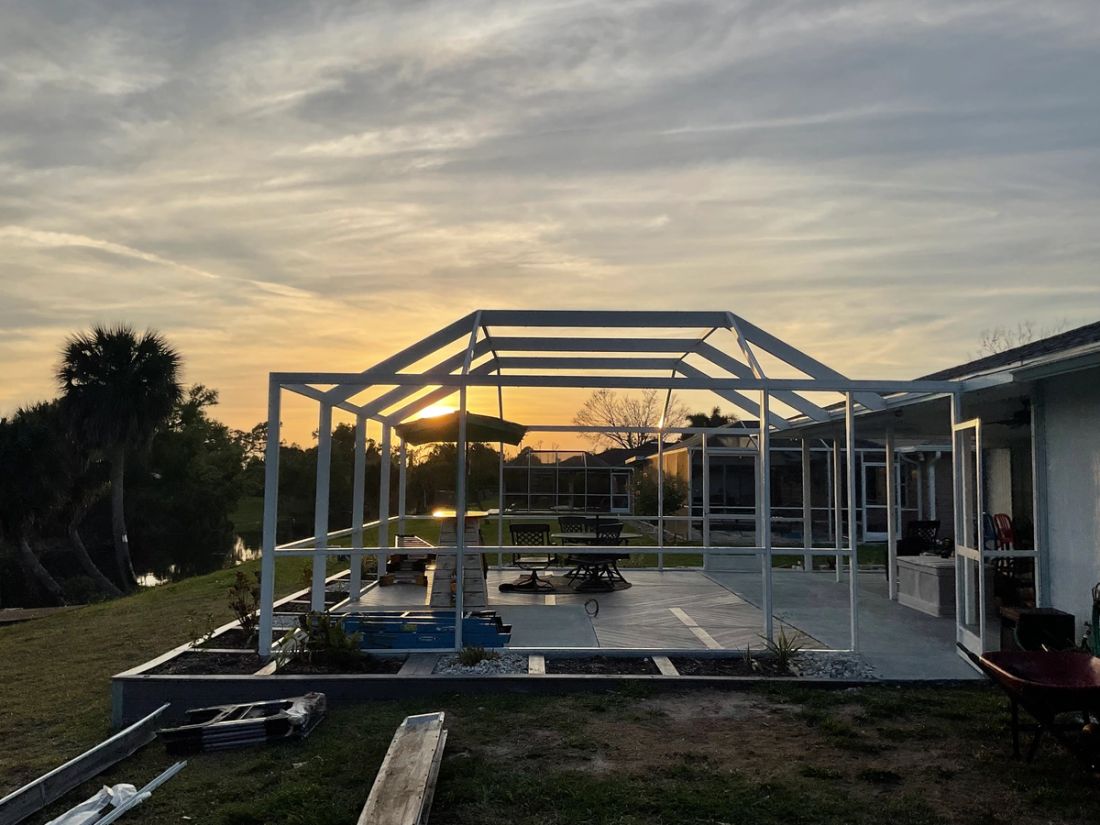
Miami-Dade sits in Florida's High-Velocity Hurricane Zone, and pool enclosures must be engineered to match. Learn the wind load rules, the permit steps, and how to avoid common rejections.
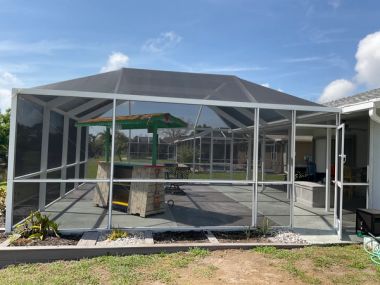
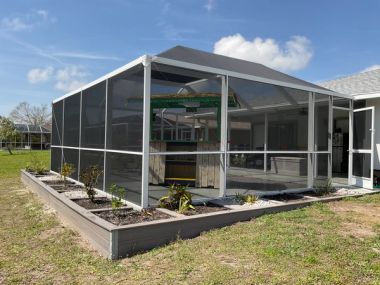
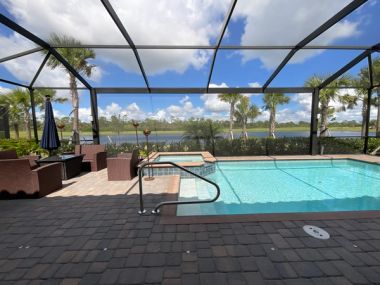
In Miami-Dade County, pool enclosures must be engineered to the Florida Building Code and, because the county is a High-Velocity Hurricane Zone (HVHZ), to its wind load requirements. The exact rating and whether a permit and NOA-approved parts are needed depend on the enclosure size, attachment and add-ons, so an experienced contractor should confirm your specific case.
This 2026 guide explains the Miami-Dade wind load rules for pool enclosures in plain language. You will see how the permit process works step by step, what reviewers check, and how to avoid the rejections that stall South Florida projects.
What Are Miami-Dade Wind Load Requirements for Pool Enclosures?
Wind load requirements define the pressures a structure must resist during a storm. In Miami-Dade, every pool screen enclosure has to be engineered to the Florida Building Code, including the stricter HVHZ provisions that apply only in this corner of the state.
The standards trace back to Hurricane Andrew in 1992. The failures of that storm reshaped Florida construction law, and today the county enforces some of the most demanding wind engineering rules in the country.
Why Is Miami-Dade a High-Velocity Hurricane Zone?
The HVHZ designation exists because this coastline faces the highest hurricane exposure in Florida. Warm Atlantic water feeds intense storms, and dense residential areas mean wind-borne debris does real damage.
For homeowners, the practical effect is simple: structures here are engineered for higher pressures, and components must prove themselves through testing rather than marketing claims.
What Determines Your Enclosure's Required Wind Rating?
There is no single number that covers every backyard. Your engineer calculates design pressures from the site's exposure category, elevation, and surroundings—a home facing open water near Biscayne Bay needs more robust anchoring than a sheltered lot in Cooper City.
The enclosure itself matters too. Height, roof style, attachment to the house, and add-ons like privacy screens all change the loads, which is why calculations are done per project, not from a chart.
How Do Wind Load Rules Affect New and Replacement Enclosures?
New installations are engineered to current code from the first sketch, which keeps surprises out of the review process. Replacements carry a catch many homeowners miss: the new cage must meet today's standards, even if the original was permitted under an older code.
That often means upgraded framing profiles, deeper anchoring, and NOA-approved components. Treating a replacement as a copy of the old structure is one of the fastest ways to a denied permit.
What Is the Permit Process for Pool Enclosures in Miami-Dade?
Permits run through the building department with jurisdiction over your address—Miami-Dade County itself, or your municipality. Plans, structural calculations, and product approvals go in together, and timelines vary with project complexity and revision rounds.
- Site assessment: measurements, exposure, and zoning constraints are documented.
- Engineering: an experienced engineer produces plans and wind load calculations.
- Submission: the application, drawings, and fees go to the building department.
- Review: officials check compliance and may request revisions.
- Inspections: the build is verified against the approved plans on site.
- Final approval: the permit is closed and the enclosure is documented as compliant.
What Documentation Do Reviewers Expect?
DocumentWhat it provesTypical source Site planSetbacks, boundaries, and zoning fitContractor or surveyor Structural calculationsThe design resists required wind loadsLicensed engineer NOA product approvalsComponents are tested for HVHZ useManufacturer documentation Contractor license and insuranceQualified, accountable installationYour contractor
Why Do Permits Get Rejected — and How Do You Avoid It?
Most rejections are preventable. The same gaps show up again and again in South Florida applications:
- Incomplete packages — missing site plans, calculations, or product approvals
- Zoning conflicts, especially setbacks on smaller lots
- Components without a Miami-Dade NOA where one is required
- Plans that ignore municipal rules layered on top of county code
The fix is engaging people who work these reviews every week. When the engineering and paperwork are right the first time, the process moves; when they are not, each revision adds weeks.
Can an Existing Pool Enclosure Be Retrofitted to Current Standards?
Often, yes. A structural assessment comes first, then targeted upgrades: reinforced framing, stronger or deeper anchors, and modern mesh rated for higher wind exposure.
Retrofits need permits just like new builds. And when corrosion has weakened load-bearing members, replacement becomes the honest recommendation—our guide on when to rescreen or replace a pool cage covers how to tell the difference.
What Are the Benefits of a Code-Compliant Pool Enclosure?
A compliant cage is engineered for the storms this region actually gets, and the paper trail matters: permitted, inspected structures give insurers and future buyers documentation instead of guesswork.
Expectations also differ between jurisdictions. What moves quickly in unincorporated Miami-Dade may draw extra review in Pinecrest or Coral Gables, so we design to the stricter reading from day one—it is cheaper than redesigning mid-review.
How AB Aluminum & Screens Handles Engineering, Permits, and Installation
Our in-house Florida team keeps the whole chain in-house: design, wind load engineering, permit submission, and installation with our own crew. You get one accountable point of contact from the 3D design to the final inspection.
Explore our aluminum pool screen enclosure services in South Florida to see how we build for HVHZ conditions across Miami-Dade, Broward, and Palm Beach—from Palmetto Bay and Pinecrest to Weston and Parkland.
Frequently Asked Questions
Do I need a permit for a pool enclosure in Miami-Dade County?
Yes. New pool enclosures and full replacements both require a permit, with engineering plans and inspections. Even retrofits that touch structure or anchoring typically need one. Building without a permit risks removal orders, insurance problems, and headaches when you sell the home.
What wind loads must a pool enclosure meet in Miami-Dade?
Enclosures must meet the Florida Building Code's HVHZ wind load provisions. The exact design pressure is not one fixed number—it depends on your site's exposure, elevation, and the enclosure's size and attachment, so an experienced engineer calculates it for each project.
How long does pool enclosure permitting take in Miami-Dade?
Plan on several weeks from submission to approval, depending on the municipality, current review volume, and whether revisions are requested. Clean, complete applications move fastest. Our permit timeline guide for Miami-Dade and Broward breaks down what to expect, county by county.
Can I replace an old pool enclosure under the code it was built to?
No. Replacements must comply with the current Florida Building Code and HVHZ provisions, even when the original structure was legal in its day. That usually means updated engineering, stronger anchoring, and NOA-approved components rather than a like-for-like copy of the old cage, plus a fresh permit.
What is a Miami-Dade NOA and why does it matter?
A Notice of Acceptance is Miami-Dade County's product approval. It certifies that a specific component—framing, fasteners, specialty mesh—passed testing for high-velocity hurricane zone use. Reviewers look for NOAs in your application, and using approved parts protects both the permit and the structure.
Ready to Build a Code-Compliant Pool Enclosure?
Whether you are planning a new pool cage in 2026 or replacing one that has aged out, we handle the engineering, the Miami-Dade permitting, and the installation—and every project starts with a free 3D design of your actual backyard.
Request A Free Quote — or call us in English: (786) 383-6066 · Llámenos en español: (786) 340-5157.