

Pool Cage Repair Miami: When to Rescreen or Replace
Torn mesh or a corroded frame? Learn when a Miami pool cage needs a simple rescreen and when full replacement is the safer call — plus the signs salt air leaves before structural damage sets in.
Rescreen your Miami pool cage when the aluminum frame is sound but the mesh is torn, sagging, or sun-faded—a fast, cost-effective fix. Choose full replacement when salt air has caused deep rust, pitting, or frame distortion that makes the structure unsafe. In coastal South Florida, have an experienced contractor inspect the frame first—corroded members can fail in high winds.
This 2026 guide walks through pool cage repair in Miami step by step. You will learn what salt air does to an enclosure, the signs that separate a rescreen from a replacement, and how to keep your cage safe through hurricane season.
What Is a Pool Cage?
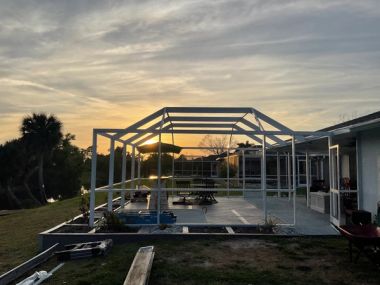
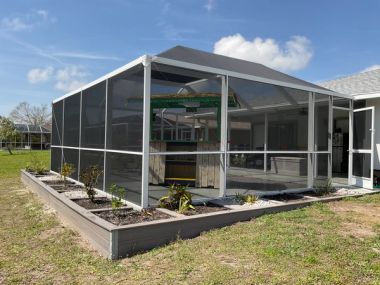
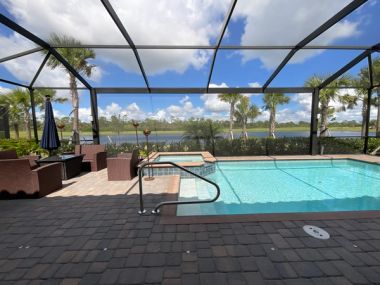
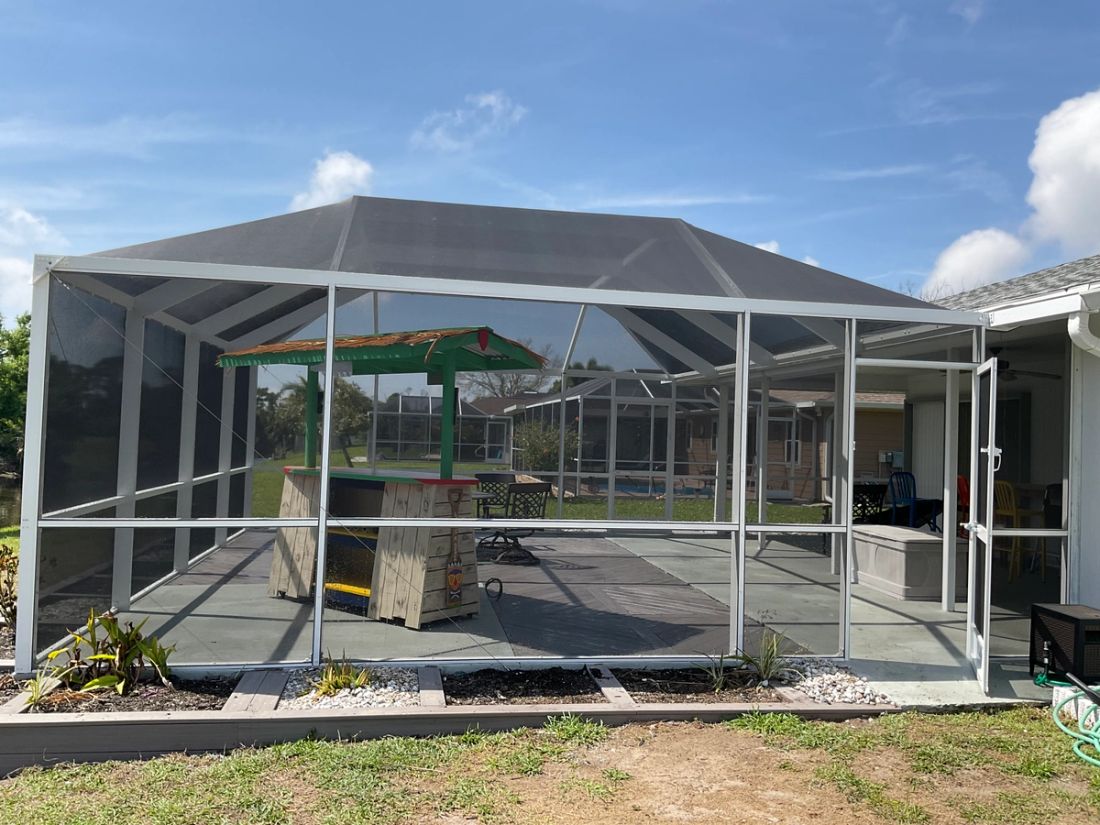
A pool cage—also called a pool screen enclosure—is an aluminum frame wrapped in screen mesh that surrounds your pool area. It keeps out debris, mosquitoes, and no-see-ums while letting breeze and natural light through.
In South Florida, pool cages do double duty. They cut cleaning time and block harsh sun, and they must be engineered to the Florida Building Code—and, in Miami-Dade County, to HVHZ wind load requirements.
Common Pool Cage Damage in Miami's Coastal Environment
Salt-laden air is the main enemy of Miami pool cages. Chloride deposits eat through protective coatings first, then attack the aluminum itself—and the process accelerates the closer you live to the water.
Storms and humidity do the rest. After a windy season, homeowners typically find torn panels, loose fasteners, and sagging mesh long before the frame itself shows real trouble.
What Are the Warning Signs to Watch For?
- White, powdery residue or reddish stains on the aluminum frame
- Flaking or bubbling paint around joints and fasteners
- Screens that sag, ripple, or tear away from the spline
- Fittings or hardware that shift when you pull on them
- Posts that wobble under gentle pressure
The first three usually point to a rescreen or a surface treatment. The last two are structural red flags that call for a professional inspection before hurricane season peaks.
When Should You Rescreen Your Pool Cage?
Rescreening replaces the mesh while keeping your existing aluminum structure. It is the right call when panels are torn, faded, or stretched but the frame underneath is straight, solid, and free of deep corrosion.
In Miami's sun, most screens age out roughly every five to ten years, depending on mesh grade and exposure. Rescreen time is also the moment to upgrade—our pool cage screen mesh guide compares standard, no-see-um, and pet-resistant options.
When Is Full Pool Cage Replacement Necessary?
Replacement becomes the safe choice when corrosion reaches load-bearing members. Deep pitting, hollow-sounding rails, bent uprights, and failed welds cannot be patched reliably.
A compromised frame is a wind hazard, not just an eyesore. A new cage is rebuilt with corrosion-resistant aluminum, engineered to current Miami-Dade HVHZ wind load requirements, then permitted and inspected.
Rescreen vs. Replace: How to Decide
What you seeRescreenFull replacement Torn, faded, or sagging meshYes — mesh and spline onlyNot needed if frame is sound Surface stains that clean offYes, with frame cleaningNo Deep pitting or flaking metalNo — patches will not holdYes Wobbling posts or failed weldsNo — structural riskYes, with new engineering Typical scope of workMesh, spline, fastenersDemolition, new frame, permits
When in doubt, have the frame inspected before paying for new mesh. Screening over a corroded structure wastes money and leaves the real risk in place.
Choosing Materials That Stand Up to Salt Air
Marine-grade aluminum alloys such as 6063-T6 resist chloride pitting far better than untreated metal. A powder-coated finish adds a baked-on barrier against oxidation and keeps its color in year-round sun.
Mesh matters as much as frame. Fiberglass screen is the everyday standard, while hurricane-rated specialty fabrics exist for exposed sites that need higher wind protection.
What Does Pool Cage Repair Cost in Miami?
There is no honest one-size price. Cost depends on enclosure size, mesh grade, how far corrosion has spread, access around the pool deck, and whether permitting applies.
As a rule, rescreening runs a fraction of full replacement because the structure stays in place. Budgeting the bigger picture? See our 2026 pool enclosure cost guide for South Florida—and get your exact number from an on-site inspection, never a brochure.
How to Maintain Your Pool Cage Year-Round
- Rinse frames with fresh water monthly—more often within a mile of the bay.
- Check spline, seals, and fasteners each quarter, and snug anything loose.
- Trim back palms and vines so branches cannot rub against the panels.
- Walk the cage after every major storm and photograph any new damage.
- Book a professional inspection each spring, before hurricane season peaks.
The pattern we see across waterfront neighborhoods like Palmetto Bay, Pinecrest, and Coral Gables is consistent: the closer a cage sits to salt water, the faster mesh and fasteners age. Inland homes in Weston or Coral Springs get more years per screen—but storms are the equalizer everywhere in South Florida.
Frequently Asked Questions
How do I know if my pool cage needs rescreening or full replacement?
Check the frame first. If the aluminum is straight, solid, and free of deep pitting, torn or faded mesh only needs a rescreen. If posts wobble, welds have failed, or rust has eaten into structural members, full replacement is the safer investment for a Miami home.
How often should a pool cage be rescreened in Miami?
Most South Florida pool cages need new mesh roughly every five to ten years. Direct sun, salt exposure, and pets shorten that window, while premium mesh extends it. Annual inspections catch wear early, so you can plan the rescreen instead of reacting to a sudden failure.
What are the signs of salt-air corrosion on a pool cage?
Look for white powdery residue on aluminum, bubbling or flaking paint, reddish stains at joints, and fasteners that no longer sit tight. Caught early, surface corrosion can be cleaned and sealed. Once pitting runs deep or rails sound hollow, the frame needs a professional evaluation.
How much does it cost to rescreen a pool cage in Miami?
It depends on enclosure size, the mesh you choose, how much spline and hardware need replacing, and site access. Rescreening costs a fraction of replacement because the frame stays. An experienced contractor should quote from an on-site inspection, never from a phone estimate.
Can a corroded pool cage be repaired instead of replaced?
Sometimes. Light surface corrosion can be cleaned, treated, and refinished, and isolated hardware can be swapped out. But corrosion inside load-bearing members compromises wind resistance, and Miami-Dade's HVHZ requirements leave no room for guesswork—severe cases call for replacement. When in doubt, ask for a structural evaluation first.
Schedule Your Free Pool Cage Inspection
Whether you need a quick rescreen or a corrosion-driven rebuild, our in-house Florida team handles the whole job in-house—inspection, engineering, permits, and installation with our own crew. Explore ouraluminum pool screen enclosure installation in South Florida to see how each cage is engineered to code. Planning a fully screened patio instead? See our patio screen room options.
We serve homeowners across Miami-Dade, Broward, and Palm Beach—including Pinecrest, Coral Gables, Palmetto Bay, Weston, Parkland, Coral Springs, Cooper City, and Boca Raton. Every free visit includes a 3D design and an honest rescreen-versus-replace recommendation.
Request A Free Quote — or call us in English: (786) 383-6066 · Llámenos en español: (786) 340-5157.